
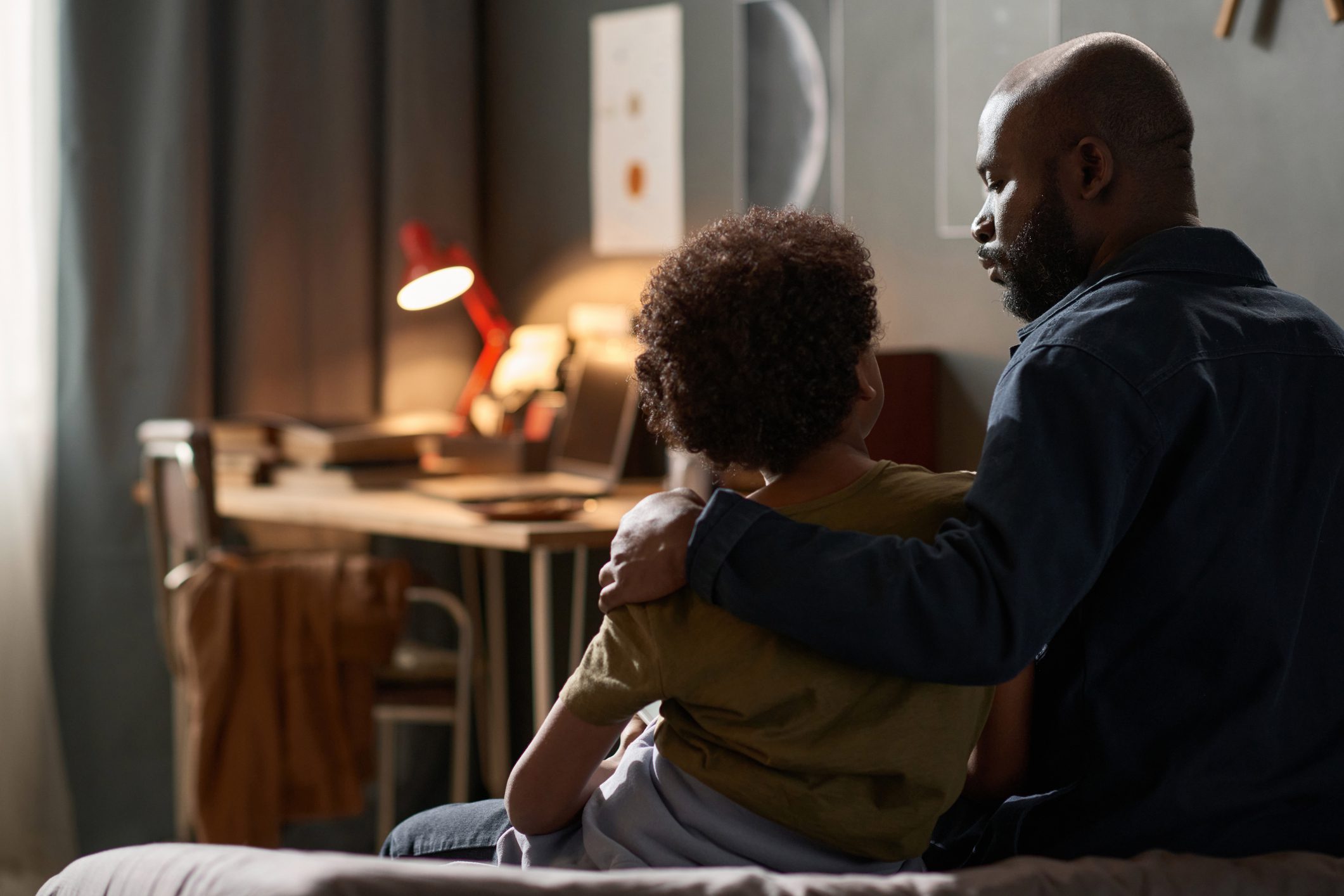
Behavioral disorders in children encompass a wide array of emotional and behavioral challenges that can significantly affect a child’s ability to engage and function effectively in daily activities. These disorders can present in various ways, often showing up as ongoing patterns of disruptive behavior that can disrupt the child’s routine at home, in school or during recreational activities. Additionally, children with behavioral disorders may experience emotional distress, which can range from anxiety and frustration to sadness and anger. This emotional turmoil can complicate their ability to interact positively with peers and adults, making social relationships more difficult to navigate. The most common behavioral disorders include Attention Deficit Hyperactivity Disorder (ADHD), Oppositional Defiant Disorder (ODD), Conduct Disorder (CD), anxiety disorders and depression.
Common Behavioral Disorders and Their Symptoms
Attention Deficit Hyperactivity Disorder (ADHD)
ADHD is one of the most prevalent behavioral disorders in children, characterized by symptoms of inattention, hyperactivity and impulsivity. Attention Deficit Hyperactivity Disorder in children may present as your child struggling to focus on tasks, frequently interrupting others and having difficulty sitting still. These behaviors can lead to challenges in academic performance and social interactions.
Oppositional Defiant Disorder (ODD)
ODD is marked by a pattern of angry, irritable moods, argumentative behavior and defiance toward authority figures. Children with ODD may frequently lose their temper, argue with adults, refuse to comply with rules and deliberately annoy others. These behaviors can strain family dynamics and affect relationships with peers.
Conduct Disorder (CD)
Conduct Disorder in children involves more severe behavioral issues, such as aggression toward people or animals, destruction of property, deceitfulness or theft. Children with CD often violate social norms and rules, leading to legal problems and difficulties in school and home environments.
Anxiety disorders in children
Anxiety disorders in children can manifest as excessive worry, fear or nervousness that interferes with daily activities. Common types include generalized anxiety disorder, separation anxiety disorder and social anxiety disorder. Children with anxiety may avoid certain situations, experience physical symptoms like stomachaches or have trouble sleeping.
Depression in children
Depression in children involves persistent feelings of sadness, hopelessness and a lack of interest in activities they once enjoyed. Symptoms may include changes in appetite, sleep disturbances, irritability and difficulty concentrating. Depression can impact a child’s academic performance, social interactions and overall quality of life.
How to Manage Children’s Behavioral Disorders as a Parent
Parents and guardians play a crucial role in managing their children’s behavioral health and disorders through various supportive strategies. One effective approach is to establish a consistent routine that provides structure and predictability, helping children feel secure and understand expectations. Additionally, parents can engage in open communication, encouraging their children to express their feelings and concerns, which fosters emotional awareness and resilience. Implementing positive reinforcement for desired behaviors can motivate children to make better choices, while also setting clear boundaries to guide their actions. Furthermore, parents should prioritize self-care and seek support from professionals, such as therapists or counselors, to gain insights and tools for effective management. Collaborating with schools to create tailored educational plans can also ensure that children receive the necessary accommodations to thrive academically and socially. By adopting these strategies, parents can significantly enhance their children’s behavioral health and overall well-being.
Seek professional help
If you have concerns about the possibility that your child may be experiencing a behavioral disorder, it is crucial to seek the advice of a qualified healthcare professional. This could include a pediatrician, who specializes in children’s health, a psychologist, who focuses on mental processes and behaviors, or a psychiatrist, who is trained in diagnosing and treating mental health conditions. These professionals are equipped to carry out a comprehensive evaluation of your child’s behavior and emotional well-being. Such an evaluation is important for accurately diagnosing any potential disorder and for determining the best course of action for treatment, which may include therapy, counseling or medication, depending on the specific needs of your child.
Behavioral therapy
Behavioral therapy is a common approach to managing children’s behavioral disorders. Techniques such as Cognitive Behavioral Therapy (CBT) can help children develop coping skills, improve emotional regulation and change negative thought patterns. Family therapy may also be beneficial to address family dynamics and improve communication.
Medication
In some cases, medication may be prescribed to manage symptoms of behavioral disorders. Stimulants, non-stimulants, antidepressants or anti-anxiety medications can be effective in treating disorders like ADHD, anxiety and depression. It’s important to work closely with a healthcare provider to monitor the effects and adjust dosages as needed throughout treatment.
Create a supportive environment
Establishing a structured and supportive home environment can significantly benefit children with behavioral disorders. Consistent routines, clear expectations and positive reinforcement for desired behaviors can help children feel secure and motivated. Encourage open communication and provide opportunities for children to express their feelings.
Educate yourself and your child
Educating yourself about your child’s disorder can empower you to make informed decisions about their care. Share age-appropriate information with your child to help them understand their condition and develop self-awareness. Encourage them to ask questions and express their emotions.
Collaborate with schools
Work closely with your child’s school to ensure they receive the necessary support and accommodations. Develop an Individualized Education Plan (IEP) or 504 Plan to address academic and behavioral challenges. Regular communication with teachers and school counselors can help monitor progress and make adjustments as needed.
Encourage healthy lifestyle habits
It is essential to promote healthy lifestyle habits that contribute positively to both your child’s mental and physical well-being. One important aspect is to encourage regular physical activity, which can take many forms, such as playing outdoors, participating in sports or even engaging in family exercises.
Additionally, focusing on a balanced diet is crucial; this means providing a variety of nutritious foods, including fruits, vegetables, whole grains and proteins, while also teaching your child about the importance of making healthy food choices. Ensuring your child gets adequate sleep is another key factor, as proper rest is vital for their growth, mood stability and overall health.
Understanding and managing children’s behavioral disorders requires patience, empathy and a proactive approach. By recognizing the symptoms, seeking professionals who specialize in children’s behavioral health can support your child’s development and improve their quality of life. Remember, you are not alone in this journey – reach out to healthcare professionals, support groups and educational resources for guidance and support.
Horsham wants to offer you peace of mind as a parent, especially when your child’s mental health is on the line. You can check out our service page to see what programs we offer for children, or contact us at 833-871-4447 for any additional information.
About The Horsham Clinic
The Horsham Clinic offers behavioral health treatment services to children, adolescents and adults. We provide dual-diagnosis treatment for adults who struggle with addiction to drugs or alcohol, as well as mental health issues. Located on a beautiful 55-acre campus outside of Philadelphia, Pa. We provide quality care that effectively meet the individual needs of all of our patients, and a nurturing environment.
We’re committed to restoring each patient’s emotional well-being and use interdisciplinary programs provided by highly trained mental health professional. Some of our services include our inpatient acute psychiatric, outpatient PHP, inpatient dual diagnosis and more. We pride ourselves on successfully providing these services for over 60 years.
To schedule a no-cost assessment or for more information, please call 833-237-3941.

