
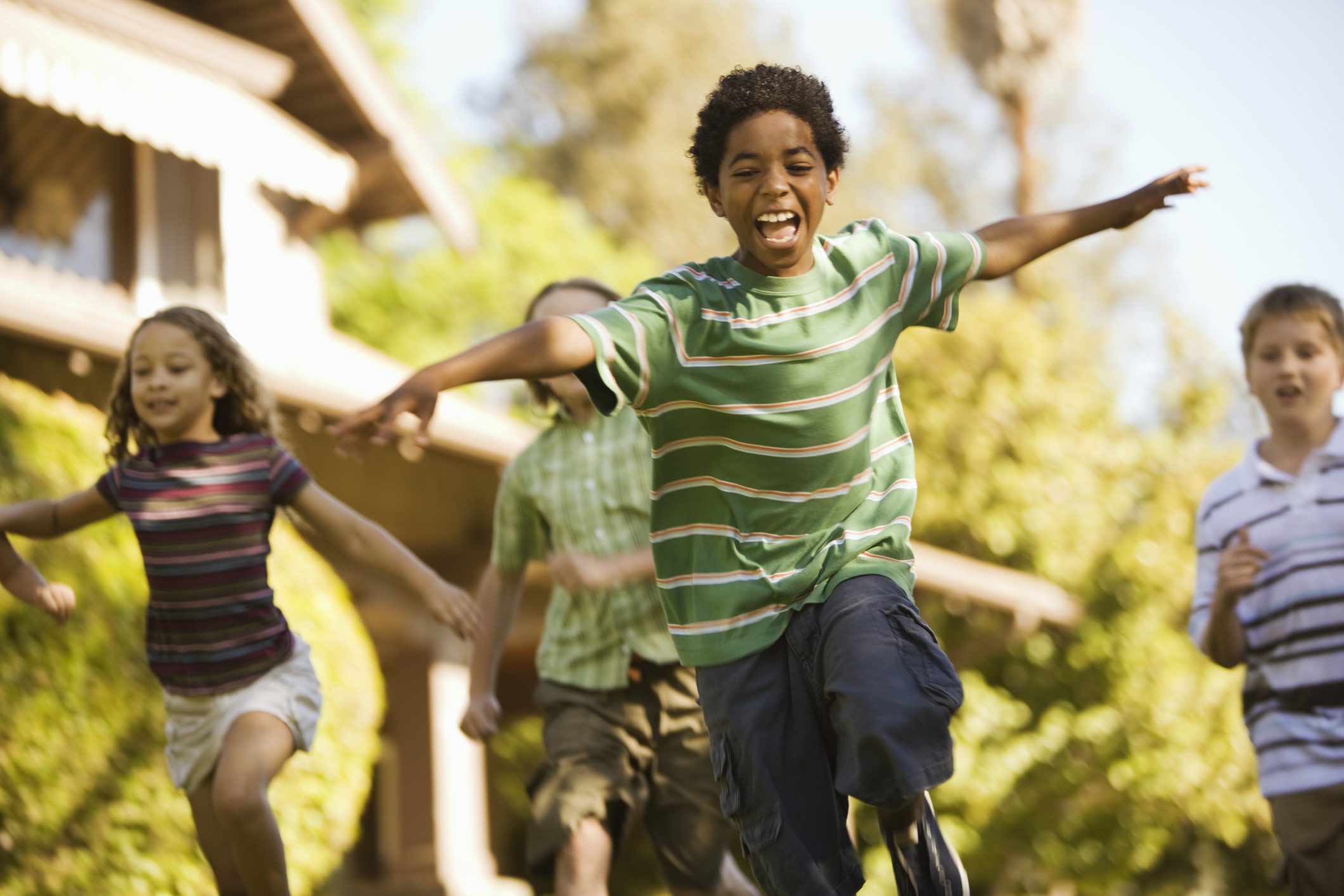
Developing robust social skills is a critical part of a child’s overall growth and affects their ability to interact with others effectively. As parents and educators, we have a pivotal role in guiding children through the maze of social interactions
Children with developed social skills tend to be more resilient in the face of adversity, are better able to collaborate with peers, and generally have higher self-esteem. Moreover, these skills help prevent the onset of social anxiety and equip children with the tools to resolve conflicts and express themselves in healthy, constructive ways.
Understanding the Importance of Social Skills
Social skills for kids are not just about making friends or communicating effectively. They are the foundation upon which children build relationships, understand and manage emotions, and navigate the complexities of social norms. Strong social skills contribute to a child’s emotional well-being and are a key predictor of future success in personal and professional spheres.
Social Skills Training for Kids
Social skills training for kids is a structured approach to developing the competencies necessary for successful interpersonal relationships. Let’s look at some of the fundamental skills that should be nurtured and how to go about it.
Basic social skills for children
- Communication: Being able to express thoughts and feelings clearly, as well as being a good listener, is fundamental.
- Empathy: Understanding and sharing the feelings of others is key to building meaningful relationships.
- Cooperation: Working well with others and being a team player is essential in many social situations.
- Conflict Resolution: Learning to resolve disagreements in a calm and effective manner is a valuable life skill.
- Respect: Showing consideration for others’ feelings, wishes, and rights lays the groundwork for healthy interactions.
How to improve social skills in children
There are several tools that you can use, both at home and at school, to help improve social skills in your child. By empowering your child to use these skills, you can set them up for long-term success later in life.
1. Model positive social interactions
Children learn a great deal from observing the adults in their lives. Demonstrate positive social interactions with others, and be mindful of the way you communicate in the presence of your child.
2. Encourage play
Play is a natural way for children to learn social skills. Through play, kids can explore different roles, learn to take turns, and practice negotiation and cooperation with peers.
3. Practice conversations
Engage in regular conversations with your child. Discuss various topics, ask open-ended questions, and encourage them to express their opinions and listen to yours.
4. Teach empathy
Discuss feelings and encourage your child to consider how their actions might affect others. Role-playing different scenarios can be an effective way to build empathy.
5. Provide feedback
Offer constructive feedback on your child’s social interactions. Highlight what they’re doing well and gently guide them on areas for improvement.
Developing Social Skills Through Activities
Engaging in specific activities can be a fun and effective way to boost social skills for kids. Here are some ideas:
Social activities for younger children
- Storytime: Reading stories and discussing the characters’ emotions and actions can help children understand social dynamics.
- Role-Playing: Act out different social situations and guide your child on appropriate responses and behaviors.
- “Friendship” crafts: Creating items like friendship bracelets can open discussions about what makes a good friend.
Social activities for older children
- Group Projects: Encourage participation in group activities or projects that require collaboration and communication.
- Volunteering: Community service can expose children to diverse groups of people and teach them compassion and teamwork.
- Board Games: Games that require turn-taking and strategy can improve patience and strategic social thinking.
Overcoming Social Skills Challenges
Despite our best efforts, some children may struggle more than others with social interactions. Here are a few tips for addressing these challenges:
Addressing shyness and anxiety
- Start Small: Begin with short, positive interactions and gradually increase the complexity and duration of social engagements.
- Role-Play Scenarios: Practice common social situations at home to build confidence.
- Seek Professional Help: If social anxiety is severe, consider seeking the guidance of a child psychologist or therapist.
Helping children with special needs
Children with developmental disorders such as Autism Spectrum Disorder (ASD) may require specialized strategies to develop social skills. Tailored interventions, such as social stories and structured play, can be beneficial.
The Role of Schools in Social Development
Schools play a crucial role in the social development of children. They provide a structured environment where social skills can be practiced and refined through daily interactions with peers and adults.
How schools can foster social skills
- Incorporate Social Skills Curriculum: Schools can integrate social skills lessons into their regular curriculum.
- Promote Inclusive Activities: Ensuring that all children, regardless of their abilities, can participate in school activities promotes understanding and empathy.
- Support Peer Mentoring: Older students can be great role models and mentors for younger children, teaching them social skills through example.
The journey of developing social skills in children is ongoing and evolves as they grow. By providing them with a supportive environment, opportunities to practice, and guidance along the way, we can help our children build the social competence that will serve them throughout their lives.
Remember, social skills training for kids is not a one-size-fits-all process. Each child is unique, and their social development will reflect that. With patience, understanding, and the right resources, you can help your child navigate the social world with confidence and ease.
Horsham understands that children have specific needs, which is why we offer specialized programming for children. We have children and adolescent programs, including inpatient and outpatient treatment styles in order to meet the specific needs of your child’s mental health and lifestyle. Learn more about our children’s programs by calling at 833-237-1418 or visiting our services page.
The Horsham Clinic
The Horsham Clinic offers behavioral health treatment services to children, adolescents and adults. We provide dual-diagnosis treatment for adults who struggle with addiction to drugs or alcohol, as well as mental health issues. Located on a beautiful 55-acre campus outside of Philadelphia, Pa. We provide quality care that effectively meet the individual needs of all of our patients, and a nurturing environment.
We’re committed to restoring each patient’s emotional well-being and use interdisciplinary programs provided by highly trained mental health professional. Some of our services include our inpatient acute psychiatric, outpatient PHP, inpatient dual diagnosis and more. We pride ourselves on successfully providing these services for over 60 years.
To schedule a no-cost assessment or for more information, please call 833-237-3941.

