
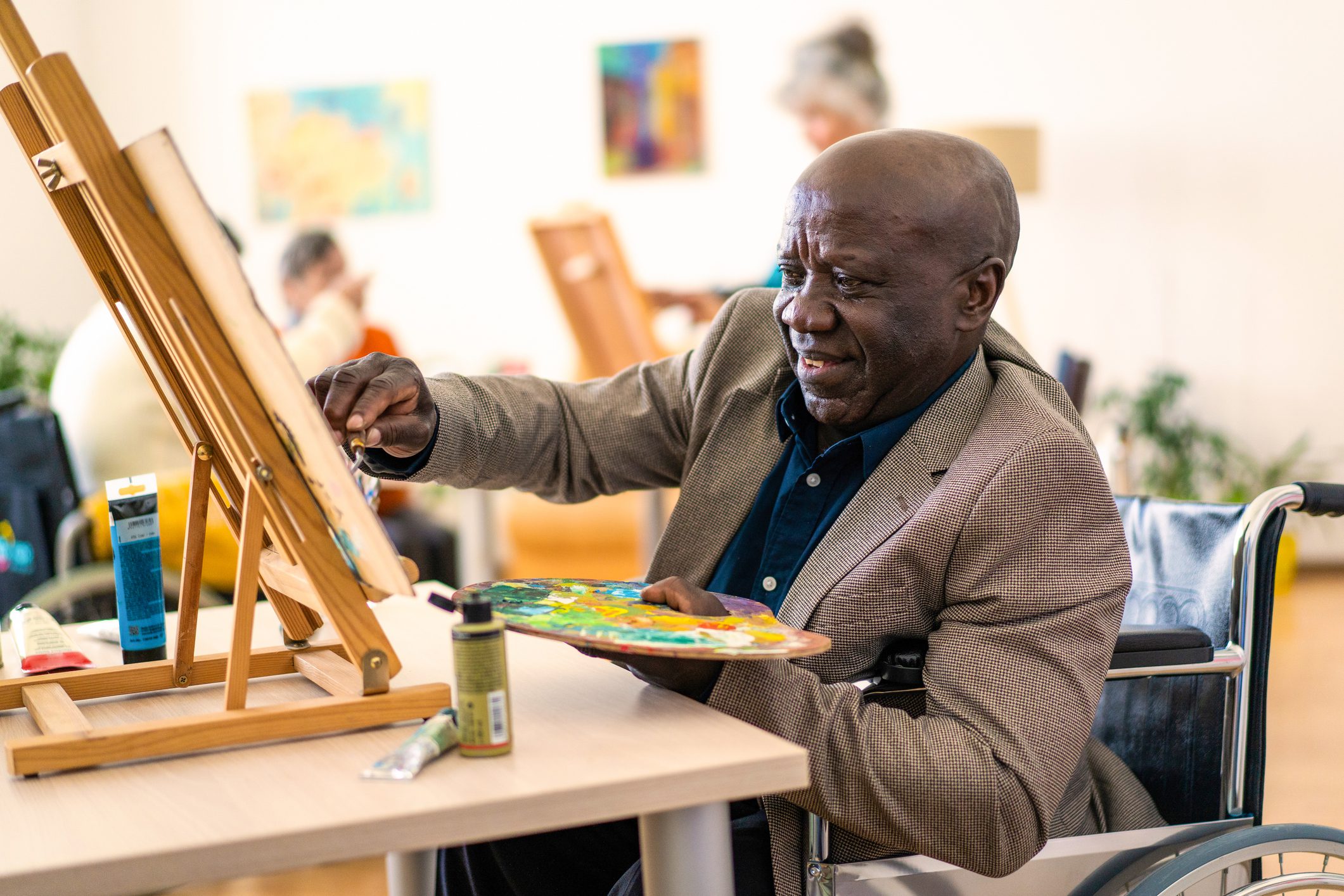
In an age where mental health is gaining recognition for its importance in our overall well-being, therapeutic practices such as art therapy are stepping into the limelight. Art therapy harnesses the power of creativity to support people in managing and overcoming emotional and psychological challenges. This article delves into the world of art therapy and its manifold mental health benefits.
What is Art Therapy?
Art therapy is a form of psychotherapy that uses art media as its primary mode of communication. It is not a recreational activity or an art lesson, but rather a therapeutic intervention aimed at improving mental health and emotional well-being. Art therapy can be used with individuals of all ages and does not require any artistic skills or previous experience.
How does art therapy work?
Art therapy works by allowing individuals to express themselves through creative mediums such as painting, drawing, sculpture and collage. Therapists guide patients in creating artwork that reflects their feelings, thoughts and experiences. This process can help people access and process emotions that may be difficult to articulate verbally.
The Connection Between Art and Mental Health
The relationship between art and mental health is deeply rooted. Engaging in art can act as a form of non-verbal communication, a way to express one’s inner world without the constraints of language. This connection is what makes art therapy a powerful tool for mental health treatment.
Emotional expression and healing
Art therapy provides a unique avenue for emotional expression. For some individuals, verbally communicating feelings can be challenging, particularly when dealing with trauma or complex emotions. Art therapy offers an alternative means to express, explore and make sense of these emotions, leading to healing and personal growth.
Stress reduction and relaxation
Engaging in artistic activities has been shown to reduce stress and promote relaxation. This calming effect is not only beneficial for mental health but also for physical health, as stress can have a detrimental impact on the body.
Art Therapy Mental Health Benefits
Art therapy has a wide range of benefits for mental health. It can help individuals cope with anxiety, depression, trauma and more. Here’s a closer look at some of the key benefits.
Improved self-expression and communication
Art therapy facilitates a form of self-expression that goes beyond words. Through the process of creating, individuals can communicate complex and abstract feelings that might otherwise remain suppressed.
Enhanced self-awareness and insight
The act of making art can lead to increased self-awareness. By reflecting on their artwork and the process of creating it, individuals can gain insight into their emotions and thought patterns, which is a crucial step in many therapeutic processes.
Boosted self-esteem and confidence
Completing an artwork can provide a sense of accomplishment and boost self-esteem. Art therapy gives individuals the opportunity to develop new skills and express themselves in a supportive environment, which can enhance their confidence.
Processing of traumatic experiences
Art therapy can be particularly beneficial for those who have experienced trauma. It allows for the safe exploration of memories and emotions, providing a way to process and integrate traumatic experiences without having to verbalize them.
Development of coping strategies
Art therapy activities can help individuals develop healthy coping strategies. Through the creative process, they can explore different ways to manage emotions and stress, which can be applied in their daily lives.
How Does Art Help Mental Health?
Art therapy’s effectiveness lies in its ability to engage the mind, body and spirit. The creative process involved in making art can be meditative, therapeutic and transformative.
Catharsis and emotional release
Creating art can be cathartic, offering a powerful outlet for releasing pent-up emotions. This emotional release can be a significant step towards mental health recovery.
Cognitive function and problem-solving
Art therapy can also help to improve cognitive functions. Engaging in art-making requires decision-making and problem-solving skills, which can transfer to other areas of life.
Mindfulness and presence
Art-making encourages mindfulness and staying present in the moment. This focus can help individuals reduce rumination on past events or anxiety about the future, promoting a sense of calm and presence.
Art Therapy Activities
Art therapy can involve a variety of activities, each with its own set of benefits. Here are some common art therapy activities:
Drawing and painting
These activities allow for free expression and can be particularly helpful in exploring emotions, conflicts and desires.
Sculpture
Working with three-dimensional materials can be a tactile and engaging experience, offering a different mode of expression.
Collage
Collage can help individuals explore identity and personal narratives by combining various images and materials.
Art Journaling
Art journaling combines visual art with writing, providing a multifaceted approach to self-reflection and emotional processing.
Art Therapy Benefits
Art therapy not only supports mental health but also encourages personal development and enhances the quality of life. Here are some additional benefits:
Improved social skills
Group art therapy sessions can help individuals enhance social skills, develop empathy and build relationships with others.
Emotional regulation
Through art therapy, individuals can learn to identify, express and regulate their emotions more effectively.
Conflict resolution
Art therapy can provide a platform for addressing and resolving conflicts, whether internal or interpersonal.
Who Can Benefit from Art Therapy?
Art therapy is versatile and can benefit a wide range of individuals, including:
- Children and adolescents
- Adults dealing with mental health issues
- Seniors facing age-related challenges
- People experiencing chronic health conditions
- Survivors of trauma or abuse
Art therapy is a profound and impactful approach to supporting mental health. Whether through individual sessions or group workshops, art therapy provides a non-threatening way to approach healing and growth. By engaging in art therapy, individuals can experience a myriad of benefits, from emotional release to improved self-awareness and cognitive function.
If you or someone you know is struggling with mental health challenges, consider exploring art therapy as a supportive and transformative option. With its unique ability to blend creativity and healing, art therapy continues to prove its value as a vital tool in the realm of mental health care.
Horsham Clinic, in Ambler, PA, has a qualified staff of therapists who can help you or your loved one manage their mental health, incorporating techniques like art therapy. You can check out our programs to learn more about our offerings, or call us at 833-237-1418 to see if Horsham is the right fit for you.
About The Horsham Clinic
The Horsham Clinic offers behavioral health treatment services to children, adolescents and adults. We provide dual-diagnosis treatment for adults who struggle with addiction to drugs or alcohol, as well as mental health issues. Located on a beautiful 55-acre campus outside of Philadelphia, Pa. We provide quality care that effectively meet the individual needs of all of our patients, and a nurturing environment.
We’re committed to restoring each patient’s emotional well-being and use interdisciplinary programs provided by highly trained mental health professional. Some of our services include our inpatient acute psychiatric, outpatient PHP, inpatient dual diagnosis and more. We pride ourselves on successfully providing these services for over 60 years.
To schedule a no-cost assessment or for more information, please call 833-237-3941.

